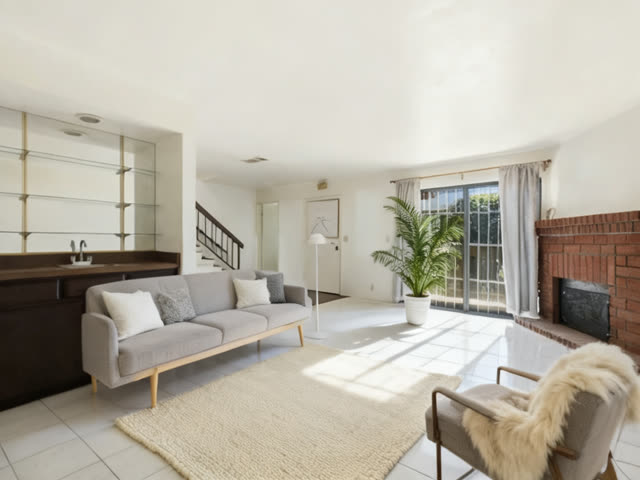
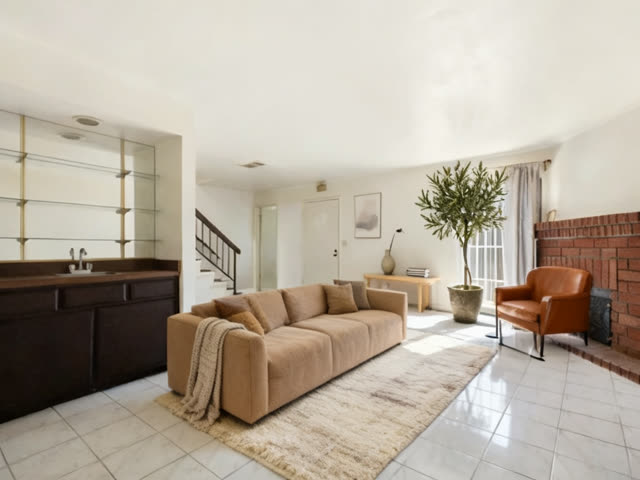
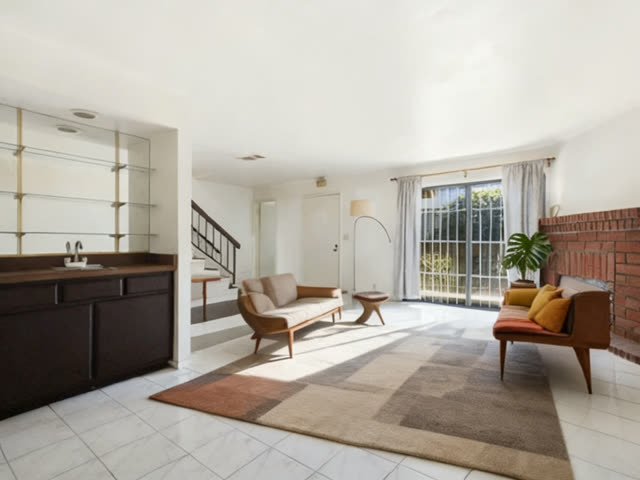
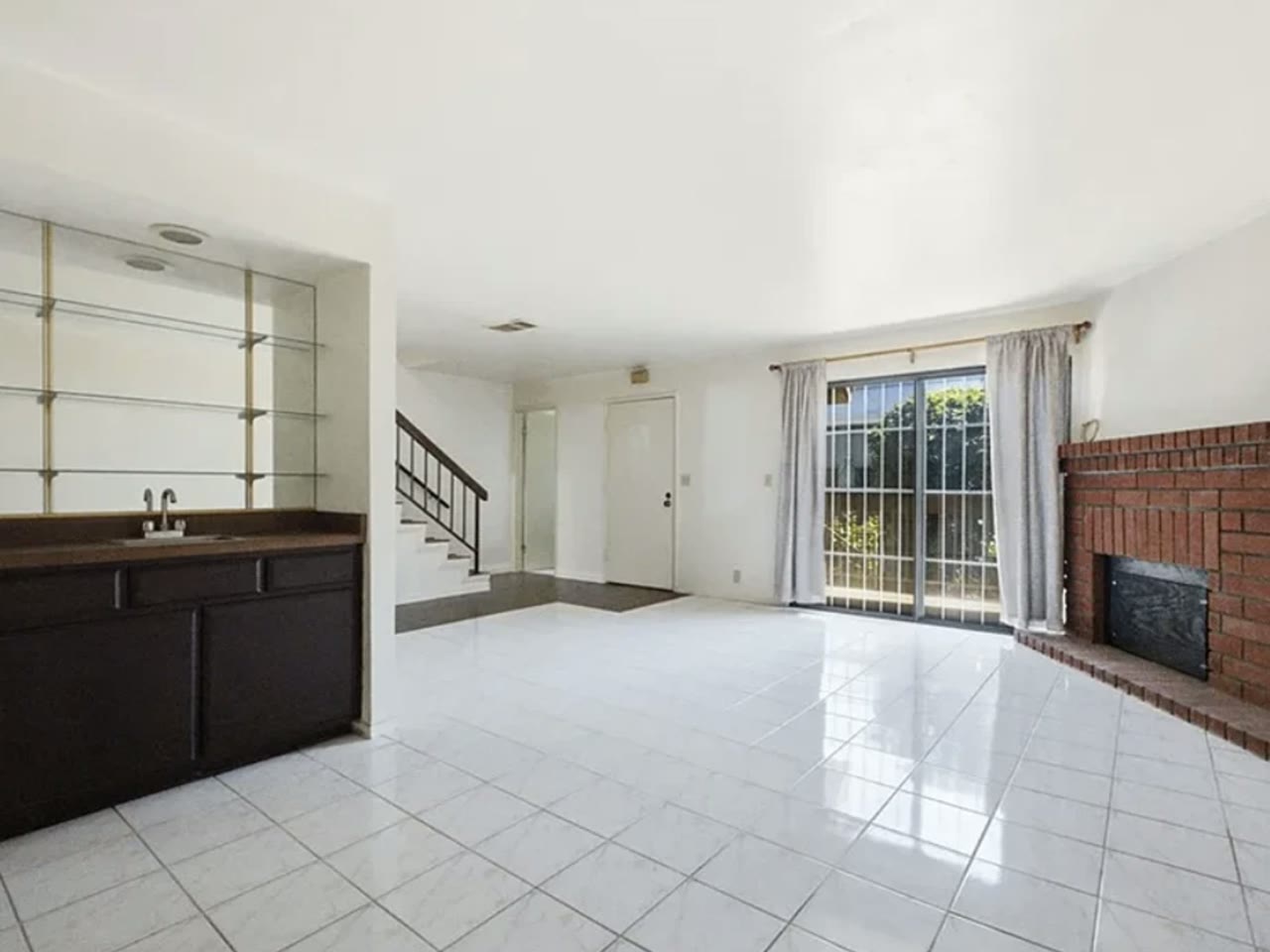
Real estate is shot wide because rooms are small and you can only back up so far. But there is a point where wide stops showing the room and starts inventing one, and buyers can feel it even when they cannot name it.
The useful range
Most professional interior work lives between about 16mm and 24mm in full-frame terms. On a phone, that is the main 1x lens, occasionally the 0.5x ultra-wide for a genuinely tight bathroom. Below roughly 14mm, straight lines bow, furniture near the edges stretches, and a normal bedroom starts to look like a ballroom.
What too-wide actually costs
- Buyers arrive expecting more space and feel the gap immediately
- Showings that end in the doorway waste everyone’s day
- Sofas and beds at the frame edge look distorted, which reads as cheap
- Ceiling and floor dominate the frame, so the room looks emptier, not bigger
How to shoot tight rooms without going wider
Back into a corner for the longest diagonal. Shoot through the doorway from outside the room. Keep the camera level and at chest height. Remove floor clutter and pull furniture off the walkway. Together these do more for perceived size than another few millimetres of lens, and none of them lie.
Keep the verticals straight
Even inside the sane range, a wide lens punishes tilt. Point the camera slightly down and the walls lean in; slightly up and they lean out. Keeping the phone level is the single habit that makes wide-angle interiors look professional instead of warped.
The rule of thumb
If the photo would surprise someone standing in the room, it is too wide. Accurate is more persuasive than impressive, because accurate survives the showing.
Questions
Common questions.
Is it dishonest to use a wide-angle lens in real estate?
Wide angle itself is standard and necessary — rooms are small and you can only back up so far. It becomes dishonest when the photo would surprise someone standing in the room, which is roughly where extreme ultra-wide begins.
How do I shoot a tight room without going ultra-wide?
Back into a corner for the longest diagonal, shoot through the open doorway from outside, keep the camera level at chest height, and clear floor clutter. Together these do more for perceived size than a few extra millimetres of lens.
Why do my walls lean in my photos?
The camera is tilted. Pointing slightly down makes walls converge; slightly up makes them splay. Keeping the phone level is the single habit that separates professional-looking wide-angle interiors from warped ones.